Why Susie Tells Everyone About Hearing and Speech Connection

Hearing loss rarely happens overnight. For many people, it arrives so slowly that it is easy to explain away the changes at first.
Maybe conversations sound a little less clear, or maybe you start asking people to repeat themselves more often, but nothing feels dramatic enough to demand immediate attention.
That was part of Susie’s story. She shared, “My hearing loss was gradual. I didn’t have any concerns before contacting Hearing and Speech Connection.”
When hearing changes gradually, you often adapt without realizing how much effort you’re putting into everyday listening.
You may lean in more during conversations, rely on visual cues, or avoid noisy settings because they have quietly become harder to manage. Over time, that extra effort can become exhausting.
Susie’s story is a helpful reminder that you do not need to wait until hearing loss feels severe before scheduling an evaluation.
A baseline hearing assessment can give you answers early, identify any changes, and help you understand what support might make life easier. Acting early can also help you avoid the frustration that comes from letting hearing difficulties linger for years.
A Warm Welcome Makes the First Step Easier
For many people, the hardest part of hearing care is simply making the first appointment. Even when there are no major fears, walking into a clinic for the first time can feel unfamiliar and vulnerable. You may wonder what the testing will involve, what the results will show, or whether you are overreacting by coming in at all.
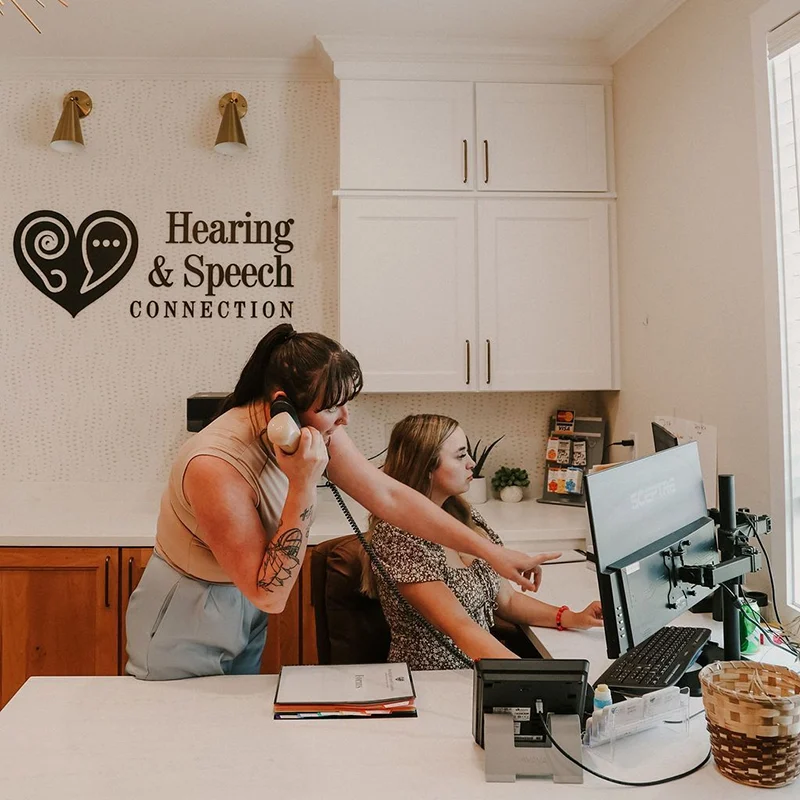
That is why the atmosphere of a clinic matters. Susie said her first impression of Hearing and Speech Connection was that we have “a warm and welcoming staff and atmosphere.” That kind of environment can make a real difference when you are taking a step that already feels uncertain.
Professional hearing care should feel supportive from the moment you arrive. You benefit when the team around you is not only knowledgeable but also approachable and encouraging.
A welcoming first visit makes it easier to ask honest questions, describe the situations that are frustrating you, and feel comfortable moving forward with care. When you feel at ease, you are more likely to get the full value of the appointment instead of spending it feeling tense or guarded.
Silencing the Static: How Hearing Aids Can Help Tinnitus
One of the most important parts of Susie’s story is her description of tinnitus relief. She said, “Now, the tinnitus buzzing is much less with my aids in.” For anyone living with that constant internal sound, that sentence carries a lot of weight.
Tinnitus often shows up alongside hearing loss, especially when hearing has changed gradually over time. When the brain is getting less external sound input, internal sounds like ringing or buzzing can become more noticeable.
Hearing aids can help by amplifying the sounds around you, giving your brain more meaningful sound to focus on. In many cases, that added sound input can make tinnitus feel less intrusive. For many people, the relief comes from making everyday listening easier overall.
When speech is clearer and environmental sounds are more present, the buzzing may fade into the background instead of dominating your attention. Susie’s experience highlights something important: the right hearing care can improve more than one symptom at once.
More Than Medicine: The People Matter, Too
Hearing technology matters, but it is not the only reason people stay with a clinic and recommend it to others. The human side of care matters just as much.
Susie made that clear when she said her favorite thing about working with Hearing and Speech Connection was “the great friends I’ve made there. Josh, of course, and the girls.”
Hearing care is rarely a one-time appointment; it usually includes testing, fitting, follow-up visits, adjustments, troubleshooting, and ongoing support as your hearing needs change over time. When you know the people helping you, trust them, and genuinely enjoy seeing them, the whole process becomes easier.
You deserve a team that remembers your concerns, takes your questions seriously, and makes you feel comfortable enough to keep coming back when you need support.
Susie’s story shows how much of a difference that can make. Our goal is not only to improve hearing but also to create a place where you feel cared for as a person, not processed as a number.
Why Susie Recommends Hearing and Speech Connection
When patients tell friends and family about a clinic, that recommendation usually comes from experience, not obligation. Susie said, “I would highly recommend this group and have told others about them.”
Her endorsement speaks to more than just a successful fitting: it reflects relief, trust, and a sense that the entire experience was worth sharing.
If your hearing has been changing gradually, or if tinnitus has become one more thing wearing you down, you do not have to keep wondering whether it is time to do something about it.
A professional evaluation can help you understand what is going on and what options are available to make daily life easier.
If you are ready to stop guessing and start getting answers, contact Hearing and Speech Connection today. Our team is here to help you take the first step toward clearer hearing, less frustration, and the kind of support that makes you feel welcome from day one.
FAQs
Q: Can hearing aids really help with tinnitus?
A: They can for many people, especially when tinnitus is connected to hearing loss. By improving access to everyday sounds, hearing aids can make buzzing or ringing less noticeable and reduce listening strain.
Q: If my hearing loss has been gradual, should I still get tested even if I’m coping?
A: Yes. Gradual hearing loss is easy to normalize, but a hearing test can show whether you are missing more than you realize and help you address it before communication becomes even harder.
Q: What should I expect from my first hearing appointment?
A: You should expect a conversation about your symptoms, a thorough hearing evaluation, and clear guidance about what your results mean. A good clinic will also take time to answer your questions and explain your options without pressure.
Source
Mayo Clinic
Mayo Clinic explains common tinnitus causes, how hearing evaluations help identify contributing factors, and the treatment options that can make symptoms less noticeable.
Search